Traditional Ayurvedic Head Massage Using Coconut Oil for Total Relaxation
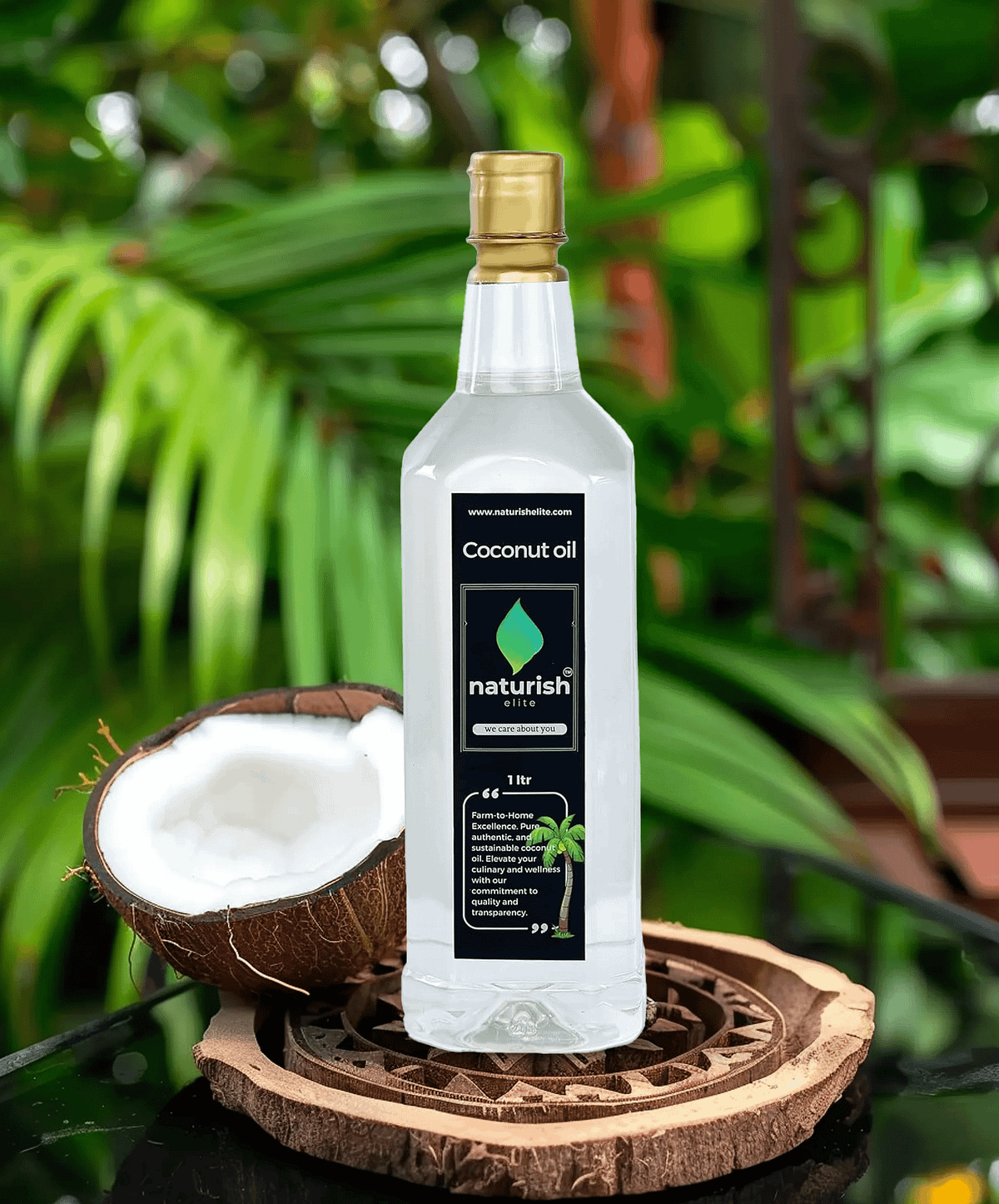
Some forms of relaxation do not come from silence or sleep. They come from touch. From warmth. From a feeling that the body is being cared for, not rushed. Traditional Ayurvedic head massage is one of those practices that feels familiar even the first time you try it.
For many of us, it brings back quiet memories. A mother warming oil in her palms. A slow massage before bedtime. A sense of calm that arrived without explanation. Ayurveda recognises this instinctive comfort and treats it as essential, not optional.
When coconut oil is used, the ritual feels grounding and gentle, offering the kind of relaxation that lingers long after the massage ends.
How Ayurveda Looks at the Head and the Mind
Ayurveda sees the head as more than a physical part of the body. It is where thoughts move, emotions settle, and stress quietly gathers. Long days, constant screens, unspoken worries, and mental pressure often leave their mark on the scalp, temples, and the base of the neck.
This is why Head Massage in Ayurveda is considered a foundational self care practice. It is believed to calm Vata dosha, the force responsible for movement and mental activity. When Vata is unsettled, people often experience overthinking, light sleep, restlessness, and a feeling of being constantly switched on.
A slow head massage helps the nervous system feel safe enough to slow down. That shift is subtle, but deeply felt.
Why Coconut Oil Has Been Passed Down for Generations
Coconut oil has never needed marketing in Indian homes. It earned trust simply by being reliable. Especially in warm climates, it was chosen because it cooled the body, soothed the scalp, and never felt heavy.
Elders often spoke about Pure Coconut Oil Benefits without naming them as benefits at all. They simply noticed calmer sleep, fewer headaches, and a sense of ease after massage. Ayurveda values coconut oil for its cooling nature and its ability to nourish gently, making it suitable for regular use.
Even modern research now supports what tradition always knew, that coconut oil absorbs well and supports scalp health without irritation.
The Traditional Way This Massage Is Done
This ritual was never meant to be perfect. It was meant to be personal.
Choosing the Moment
Evenings feel right for head massage. After the day has taken its share of energy, this practice helps signal that it is time to let go.

Warming the Oil
A small amount of coconut oil is warmed between the palms or over gentle heat. That warmth alone often feels reassuring.
Slow, Mindful Touch
Using fingertips, the oil is worked into the scalp with unhurried circular movements. The crown, temples, and base of the head receive extra attention. There is no pressure to finish. The hands move at a pace that feels caring rather than clinical.
Letting the Body Rest
After massage, the oil is left on for some time. Many people prefer leaving it overnight, allowing the calm to follow them into sleep.
What People Often Feel After Regular Practice
A Quieter Mind
One of the first changes people notice is mental softness. Thoughts do not disappear, but they lose urgency. The constant inner dialogue settles.
Easier Sleep
Ayurvedic practitioners have long linked head massage with better sleep. When the nervous system relaxes, the body remembers how to rest naturally.
Emotional Grounding
There is a sense of feeling more present, less scattered. Small stresses feel manageable rather than overwhelming.
Scalp Comfort
A relaxed scalp feels lighter. Coconut oil helps ease dryness and tightness, especially for those who spend long hours indoors or under artificial light.
Why This Practice Still Feels Relevant Today
Modern life rarely gives permission to pause. Stress has become routine, and rest often feels rushed. In this context, Ayurvedic head hair massage feels almost rebellious in its slowness.
It does not demand time you do not have. It asks only for intention. A few quiet minutes. A willingness to care for yourself without distraction.
In Ayurveda, self massage is not indulgence. It is respect for the body and the mind that carry you every day.
How Often It Can Be Done
Some people practise head massage daily during stressful periods. Others return to it a few times a week. There is no strict rule. The body often tells you when it needs it.
Consistency matters more than duration. Even a short, mindful massage can feel deeply restoring.
A Gentle Habit That Stays With You
Traditional Ayurvedic head massage using coconut oil is not about quick results. It is about building a relationship with rest. About reminding yourself that slowing down is allowed.
Sometimes, the most meaningful care comes from the simplest acts. Warm oil. Patient hands. A few quiet moments where nothing else is required of you
FAQs
1. How does Ayurvedic head massage with coconut oil help reduce stress?
Ayurvedic head massage helps calm the nervous system by gently releasing tension from the scalp and temples. Coconut oil adds a cooling, soothing effect that helps the mind feel quieter and more relaxed.
2. Is it better to do a head massage at night or in the morning?
Night time head massage is often preferred because it helps the body unwind and prepares the mind for restful sleep. Morning massage can also be beneficial when you want to feel calm and centred at the start of the day.
3. How often should I practise traditional head massage for real results?
Some people practise head massage daily during stressful periods, while others find two or three times a week is enough. Regular, mindful practice matters more than the length of each session.


Comments
Post a Comment