Everyday Ayurveda: Kerala’s Herbal Coconut Oil Practices for Modern Living
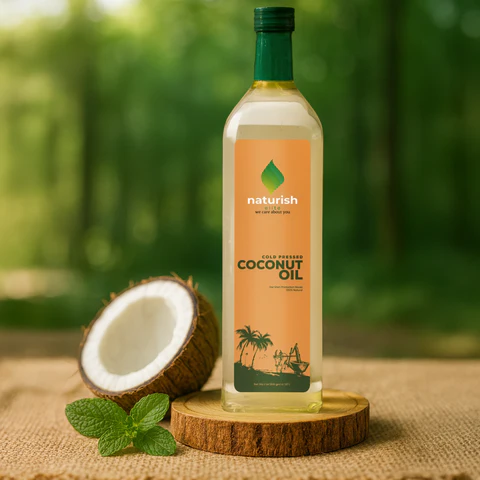
For centuries, Kerala has been celebrated as the home of Ayurveda, a land where nature and healing blend seamlessly. Among its many treasured remedies, one ingredient stands above all Coconut Oil. Known locally as “the oil of life,” it’s not just a kitchen staple but a cornerstone of traditional Ayurvedic treatments. When infused with herbs, it transforms into a therapeutic elixir that supports the body, mind, and spirit.
In this article, we’ll explore how Traditional Kerala Remedies: Coconut Oil + Herbs in Ayurveda continue to inspire natural wellness — from the kitchen to the medicine cabinet.
The Essence of Kerala’s Ayurvedic Heritage
Kerala’s lush greenery, tropical climate, and abundant coconut palms make it a natural hub for holistic healing. Ayurveda, which translates to “the science of life,” views health as a balance between the body’s energies — Vata, Pitta, and Kapha. To maintain this harmony, traditional healers rely on oils, herbs, and natural therapies.
At the heart of many of these therapies lies Coconut Oil, prized for its versatility and healing potential. Whether it’s used as a cooking oil, for massages, or as a base for herbal infusions, coconut oil plays a vital role in Kerala’s traditional remedies.
Coconut Oil: More Than Just a Kitchen Essential
While the rest of the world discovered its culinary and cosmetic benefits only recently, Keralites have been using coconut oil for generations. Extracted from fresh coconuts, it is a powerhouse of nutrients rich in lauric acid, medium-chain fatty acids, and antioxidants.
In Ayurvedic practice, coconut oil is considered cooling in nature, helping to balance excess Pitta dosha, which governs heat and metabolism. This makes it ideal for soothing inflammation, nourishing the skin, and supporting digestive health.
In cooking, especially when used as cold-pressed coconut oil, it retains its natural aroma, nutrients, and beneficial compounds, a key reason why it’s widely recommended as a healthy cooking oil alternative to refined options.
The Power of Herbs in Traditional Kerala Remedies
What truly makes Kerala’s Ayurvedic oils unique is their combination of herbs and coconut oil. These herbs, when slowly infused in warm oil, release their therapeutic properties. The resulting blend is deeply nourishing and used for everything from hair growth to pain relief.
Here are some of the most common herbal infusions in traditional Kerala remedies:
1. Amla (Indian Gooseberry)
Used for centuries to promote hair strength and shine, Amla-infused coconut oil is rich in vitamin C and antioxidants. It strengthens hair roots, prevents premature greying, and improves scalp health.
2. Tulsi (Holy Basil)
Tulsi is known as the “queen of herbs” in Ayurveda. When combined with cold-pressed coconut oil, it becomes a soothing remedy for respiratory issues, stress, and skin irritations.
3. Brahmi (Gotu Kola)
Brahmi is valued for its cognitive benefits. Massage oils made with Brahmi and coconut oil are said to enhance focus, memory, and calmness — a perfect remedy for today’s stressful lifestyles.
4. Curry Leaves
A staple in Kerala’s cuisine, curry leaves also make their way into Ayurvedic oils. They help combat hair fall, nourish hair follicles, and add a natural black tint to the hair.
5. Turmeric
Famous for its anti-inflammatory and antibacterial properties, turmeric when mixed with coconut oil becomes a potent healing balm for wounds, acne, and skin infections.
How Traditional Oils Are Made in Kerala
The process of creating herbal oils in Kerala is an art form passed down through generations. Fresh herbs are simmered gently in cold-pressed coconut oil until their essence blends with the oil. This slow-heating process known as Sneha Paka ensures that no nutrient is lost and that the final oil is rich, aromatic, and deeply therapeutic.
Unlike modern cosmetic oils, these traditional formulations are entirely natural free from preservatives, artificial fragrance, or chemicals.
Everyday Uses of Coconut Oil in Ayurveda
Coconut oil isn’t limited to massages or hair treatments. In Ayurveda, it plays a role in daily life practices (Dinacharya) to promote overall well-being.
- For Cooking: Cold-pressed coconut oil is used as a nutritious cooking oil that supports heart health and digestion. Its stable structure makes it ideal for frying and sautéing without losing its benefits.
- For Massage: Known as Abhyanga, self-massage with warm coconut oil enhances circulation, reduces stress, and improves skin elasticity.
- For Oral Health: Oil pulling — swishing coconut oil in the mouth — is an ancient Ayurvedic practice that detoxifies the body and strengthens gums.
- For Skin and Hair: Coconut oil moisturises, soothes, and protects the skin. It also promotes thick, shiny hair when used regularly.
Why Cold-Pressed Coconut Oil Matters
One of the most important aspects of Kerala’s traditional oils is the method of extraction. Cold-pressed coconut oil is made without heat, ensuring that the vital nutrients, aroma, and natural antioxidants remain intact.
This makes it the purest form of coconut oil available — ideal for cooking, skincare, and Ayurvedic therapies. In contrast, refined oils lose much of their healing power due to high-heat processing and chemical refining.
Conclusion: The Timeless Healing Wisdom of Kerala
In today’s world, where wellness trends come and go, the enduring wisdom of Traditional Kerala Remedies: Coconut Oil + Herbs in Ayurveda stands out as a reminder of nature’s true power. These age-old practices show that simple, pure ingredients when used mindfully can transform our health and well-being.
Whether you’re drizzling cold-pressed coconut oil in your meals, massaging it into your skin, or using it with herbs, you’re tapping into centuries of Ayurvedic tradition that values balance, purity, and natural healing.
FAQs
1. Why is coconut oil so important in Ayurveda?
Coconut oil is considered cooling, nourishing, and balancing for the Pitta dosha. It supports digestion, enhances skin and hair health, and serves as an excellent base for herbal infusions in Ayurvedic remedies.
2. Can cold-pressed coconut oil be used for cooking?
Yes, absolutely! Cold-pressed coconut oil is a stable and healthy cooking oil that retains essential nutrients and adds a delightful aroma to traditional dishes.
3. How do herbs enhance the benefits of coconut oil?
When herbs like Amla, Tulsi, or Brahmi are infused in coconut oil, they release active compounds that enhance its healing potential — making it effective for hair care, skincare, and overall wellness.


Comments
Post a Comment