How to Store Cooking Oils for Maximum Freshness
Introduction
Cooking oils are an essential part of every kitchen, whether you’re sautéing vegetables, deep-frying snacks, or preparing traditional dishes. But did you know that improper cooking oil storage can significantly reduce the oil’s freshness, flavour, and nutritional value?
From coconut oil to sesame and sunflower oils, every variety requires specific care to maintain quality. In this guide, we’ll explore how to store different types of cooking oils, tips to prevent rancidity, and how to identify when your oil has gone bad.
Why Proper Cooking Oil Storage Matters
Cooking oil is highly sensitive to environmental factors like heat, light, and air. When exposed for long periods, these elements trigger oxidation — a process that leads to rancidity. Rancid oils not only taste unpleasant but also lose their nutritional benefits and may release harmful compounds.
By understanding correct cooking oil storage methods, you can extend the shelf life of your oils and ensure they remain fresh, aromatic, and healthy for daily use.
The Ideal Environment for Storing Cooking Oils
1. Keep Oils Away from Heat
Always store your cooking oil in a cool and dark place. Avoid placing oil bottles near stoves, ovens, or windows where sunlight and heat can accelerate spoilage. Ideally, a cupboard or pantry is best for preserving freshness.
2. Use Airtight Containers
Exposure to air is one of the main causes of oil oxidation. Always store oils in airtight glass containers or stainless steel tins. Avoid plastic bottles, as they can leach chemicals over time, especially when the oil is exposed to heat.
3. Avoid Moisture
Moisture can spoil cooking oil quickly. Keep the bottle caps clean and dry after every use to prevent condensation. If water enters the container, it can create an environment where mold develops — especially in unrefined oils.
How to Store Different Types of Cooking Oils
1. Coconut Oil
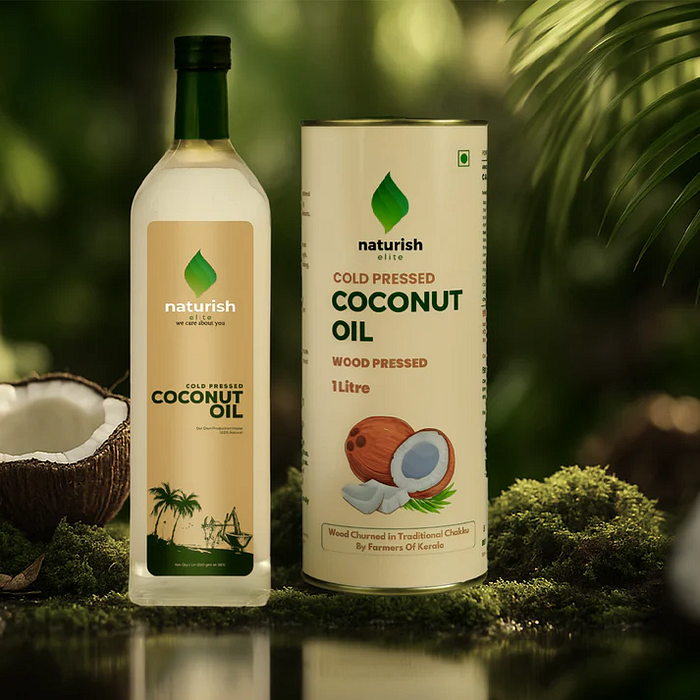
Coconut oil is one of the most stable oils due to its high saturated fat content. However, it still needs proper care. Store coconut oil in a cool, dark cupboard if your home temperature is below 25°C. If you live in a hot climate, refrigeration can help maintain its texture and prevent melting.
- Shelf Life: About 6 months for unrefined coconut oil and up to 1 year for refined versions.
- Brand Tip: If you use premium brands like Cold Pressed Coconut Oil, store them in airtight glass jars away from sunlight to maintain purity.
2. Sesame Oil
Sesame oil, known for its strong aroma and flavour, is commonly used in Indian and Asian cuisines. It is rich in antioxidants but can still turn rancid if exposed to heat and light.
- Storage Tip: Store sesame oil in dark-coloured glass bottles and place them in a cool pantry.
- Shelf Life: Around 6–8 months for unrefined oils; refined varieties may last up to a year.
3. Olive Oil
Olive oil is sensitive to both heat and light. Keep it in a dark glass bottle and away from cooking zones. Avoid transferring it repeatedly between containers, as that increases air exposure.
- Shelf Life: 12–18 months when stored properly.
4. Sunflower and Mustard Oils
These oils are staples in Indian cooking and need extra care due to their higher polyunsaturated fat content, which makes them more prone to oxidation.
- Storage Tip: Keep bottles tightly sealed and stored in a cool, dark place. Avoid using transparent containers.
- Shelf Life: 6–9 months for unrefined oils.
Signs That Your Cooking Oil Has Gone Bad
Knowing the signs of spoilage can help you avoid using rancid cooking oil. Here are some key indicators:
- Unpleasant Odour: Fresh oils have a mild aroma, but rancid oil smells sour, bitter, or like crayons.
- Change in Colour: If your coconut oil or sesame oil turns yellowish or cloudy when it shouldn’t, it may have oxidised.
- Off Taste: A bitter or metallic taste means it’s time to discard the oil.
- Sticky Texture: Old oils may develop a sticky or thick consistency.
Always trust your senses — if the oil smells or tastes off, it’s better to replace it.
Brand-Specific Storage Advice
Different brands have varying oil compositions and processing methods. For instance:
- Cold Pressed Oils – These oils are minimally processed and retain natural nutrients. To preserve their purity, store them in glass jars in a cool cupboard.
- Organic Coconut Oil Brands – As organic oils are free from preservatives, they require extra care. Keep them tightly sealed and away from moisture.
- Refined Oils – Though they have a longer shelf life, avoid leaving them open for extended periods to maintain freshness.
How to Choose the Best Coconut Oil for Cooking
When exploring how to choose the best coconut oil for cooking, look for:
- Cold-Pressed Extraction: Retains nutrients and flavour.
- 100% Natural Ingredients: No additives or artificial fragrances.
- Transparent Labelling: Check for purity certification and origin.
- Trusted Brands: The best brands of coconut oil in India, such as, are known for authentic, high-quality oils suitable for both cooking and skincare.
Is Organic Coconut Oil Worth It?
Many people wonder, is organic coconut oil worth it? The answer is yes, especially if you value purity and health. Organic coconut oil is free from pesticides and chemicals, making it safer for cooking and personal care. While it may cost slightly more, the nutritional and environmental benefits make it a smart investment.
Using Coconut Hair Oil Beyond the Kitchen
Coconut Hair oil is not just for cooking it’s a natural conditioner that nourishes your scalp and strengthens roots. Storing it properly ensures it doesn’t lose its natural aroma and effectiveness. Keep it in an airtight container, away from direct sunlight, and avoid using wet fingers inside the bottle.
Conclusion
Proper cooking oil storage is essential to maintain the quality, taste, and health benefits of your oils. Whether it’s coconut oil, sesame, olive, or mustard, each oil type requires the right conditions for cool, dark, and airtight storage.
Remember: unrefined oils typically last around 6 months, while refined ones can last longer. Always inspect for signs of spoilage and follow brand-specific advice to ensure your oils stay fresh and beneficial.
By caring for your cooking oils, you’re not just preserving flavour you’re preserving your health.
FAQs
1. What’s the best way to store coconut oil in hot climates?
Keep coconut oil in a cool, dark cupboard. If it liquefies in high heat, you can refrigerate it. The solidification is natural and doesn’t affect quality.
2. Can I reuse cooking oil after frying?
Yes, but only once or twice, and only if it hasn’t been overheated or exposed to food residue. Strain and store it in a clean, airtight container.
3. How long does coconut hair oil last?
Good-quality Coconut Hair oil can last up to a year when stored properly. Keep it sealed and away from sunlight.
4. Does refrigerating oil extend its shelf life?
For some oils like sesame and flaxseed, refrigeration helps prolong freshness. However, coconut and olive oils may solidify — which is perfectly normal.


Comments
Post a Comment