How Black Pepper Spice Enhances the Absorption of Nutrients
Introduction
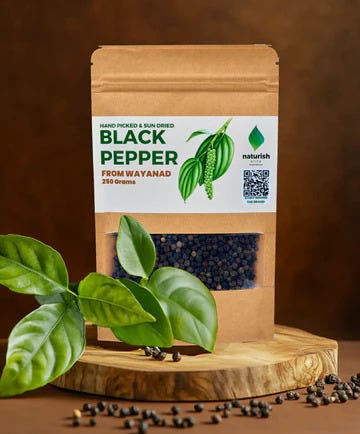
When we think of essential spices in the kitchen, black pepper spice is often overlooked. It’s sprinkled over soups, salads, or curries almost out of habit, but few realise that this humble spice carries a powerful secret — it can boost the absorption of nutrients from the food we eat. In fact, it’s not just about taste; it’s about making your meals more effective in nourishing your body. From pairing with coconut oil or any healthy cooking oil to complementing other spices, black pepper has a remarkable role to play in everyday health.
Why Black Pepper Spice Stands Out
Black pepper, often called the “King of Spices,” is rich in a compound known as piperine. This natural alkaloid is responsible for the sharp, pungent flavour of black pepper. More importantly, piperine is the reason behind its incredible ability to enhance bioavailability — that is, how well your body can absorb and use nutrients.
Other spices add flavour, but black pepper adds value in a very different way. By helping vitamins, minerals, and even beneficial plant compounds become more absorbable, it ensures that the food you prepare truly benefits your health.
The Science of Nutrient Absorption
Our digestive system is designed to break down food and extract essential nutrients, but not everything is easily absorbed. Sometimes, powerful compounds like curcumin (from turmeric) or fat-soluble vitamins (like A, D, E, and K) are poorly absorbed on their own.
Here’s where black pepper spice comes in. Piperine slows down the rate at which enzymes in the liver and intestine break down nutrients. As a result, vitamins and antioxidants remain in the bloodstream for longer, allowing the body to make better use of them.
Black Pepper and Turmeric: A Powerful Duo
One of the best-known examples of nutrient absorption comes from the combination of black pepper and turmeric. Turmeric is rich in curcumin, a compound celebrated for its anti-inflammatory and antioxidant effects. However, curcumin on its own has very low bioavailability.
Adding just a pinch of black pepper significantly increases curcumin absorption — some studies suggest by up to 2000%. This simple kitchen trick transforms a regular curry or soup into a more health-boosting meal. It’s a brilliant example of how traditional spice pairings carry wisdom that modern science now validates.
Role of Cooking Oils in Nutrient Absorption
It’s not only about pairing spices with each other. Fat-soluble vitamins and compounds, such as vitamin D or beta-carotene, need fat to be absorbed properly. Using coconut oil or another high-quality cooking oil alongside spices like black pepper ensures that your body takes full advantage of these nutrients.
For instance, sautéing vegetables in coconut oil with a sprinkle of black pepper not only elevates flavour but also makes vitamins like A and K more bioavailable. This combination highlights how mindful cooking techniques can maximize nutrition.
Everyday Ways to Use Black Pepper Spice
Adding black pepper to your meals is incredibly simple, yet it can make a profound difference. Here are a few easy ideas:
- Morning omelette: Sprinkle fresh black pepper over eggs cooked with a little coconut oil for a nutrient-rich start.
- Soups and broths: Stir in freshly ground pepper just before serving to preserve its natural oils and maximise benefits.
- Spiced tea: A pinch of black pepper along with other spices can boost digestion and nutrient absorption.
- Salad dressing: Mix black pepper with olive or coconut oil for a flavourful dressing that also aids absorption of fat-soluble vitamins.
- The key is to use freshly ground pepper rather than pre-ground powder, as the latter loses potency over time.
Beyond Absorption: Other Health Benefits
While its role in nutrient absorption is impressive, black pepper offers much more:
- Digestive health: Stimulates the stomach to release digestive enzymes.
- Antioxidant protection: Helps combat free radicals that cause cellular damage.
- Metabolism boost: May support weight management by slightly increasing calorie burn.
- This makes it not just a seasoning, but a holistic addition to a balanced diet.
Conclusion
Black pepper spice proves that sometimes the simplest ingredients are the most powerful. Beyond enhancing flavour, it plays a crucial role in helping your body absorb and utilise essential nutrients. Pairing it with other spices, or using it in dishes prepared with healthy fats like coconut oil or quality cooking oil, can amplify its impact even further.
So, next time you reach for the pepper grinder, remember — you’re not just seasoning your food, you’re unlocking its nutritional potential.
FAQs
1. Can black pepper spice improve absorption of all nutrients?
Not all, but it is especially effective with certain antioxidants, fat-soluble vitamins, and compounds like curcumin.
2. Is it better to cook with black pepper or add it after cooking?
Both work, but adding freshly ground pepper towards the end of cooking preserves more of its natural oils and active compounds.
3. Can I combine black pepper with any cooking oil?
Yes, whether it’s coconut oil, olive oil, or other healthy cooking oils, the combination supports absorption of fat-soluble nutrients and enhances flavour.


Comments
Post a Comment